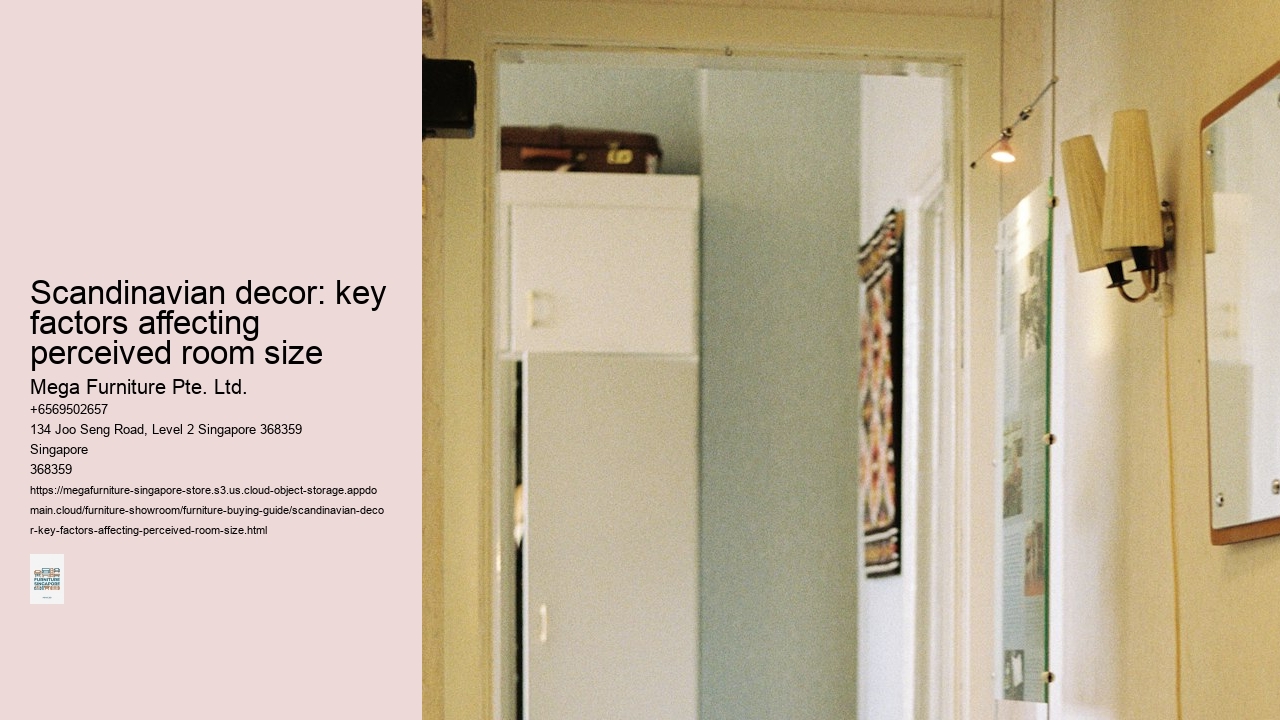
The 12 sqm master bedroom in a typical HDB BTO flat forces compromises condo dwellers rarely face. Where a 18 sqm condo bedroom might fit a king bed with side tables, the HDB version often requires pushing a queen against the wall — sacrificing one bedside entirely. That missing 50cm width changes everything: buyers choose between floating shelves over bed (dust collectors) or wall-mounted sconces (permanent holes in fresh BTO paint).
Light-reflecting finishes become non-negotiable in these spaces. Scandinavian bleached oak or white-washed ash visually expand the room better than condo-favoured dark walnut or mahogany laminates. IKEA’s MALM series gets copied by local makers for a reason — its 35cm-deep nightstands leave walking space in corridors barely wider than a supermarket trolley. Condo buyers splurging on solid wood Commune pieces often regret it when moving to HDBs; that gorgeous grain pattern swallows what little light filters through service yard windows.
Storage solutions diverge sharply too. BTO bedrooms frequently use the full 2.4m ceiling height with Malm or Nordli storage beds, while condos opt for lower platforms with built-in lighting. The difference comes down to maths: 12 sqm with 2.4m ceilings offers 28.8 cubic metres versus condo 18 sqm at 2.7m yielding 48.6 cubic metres. That extra 20 cubic metres lets condo owners waste space on aesthetic choices like open clothing racks or freestanding vanities.
Mirror placement reveals another constraint. HDB layouts often position the bedroom door directly opposite the bathroom, forcing mirrors onto closet doors instead of prime wall space. Condo designers typically centre mirrors between windows — a luxury when your bedroom wall spans 4.2m instead of 3.6m. FortyTwo’s sliding mirror wardrobes solve this for some BTO owners, but require sacrificing 15cm of precious hanging space.
Singapore’s humidity warps untreated wood within months — a brutal reality for Scandinavian-style furniture lovers. That teak veneer coffee table from IKEA? It’ll outlast solid pine by years, despite costing half as much. The difference comes down to density; teak’s natural oils repel moisture, while pine absorbs it like a sponge, swelling around joints until drawers jam and tabletops crack.
For balcony-adjacent living rooms — common in Punggol and Tengah BTO layouts — treated ash is the pragmatic choice. It mimics the bleached oak look popular in Nordic designs but withstands 80% humidity without warping. Castlery’s Oslo range uses a proprietary sealant that buyers report holds up even in east-facing flats exposed to morning rain. The trade-off: ash lacks the grain variation of oak, giving it a slightly flatter appearance under direct light.
Rubberwood gets recommended often for budget buyers, but it’s a gamble. Properly kiln-dried pieces from FortyTwo can last, but cheaper imports from regional e-commerce platforms often arrive with internal moisture that triggers mould within a wet season. One Tampines homeowner found their $299 rubberwood TV console sprouting white fungus behind the back panel — invisible until the smell started.
Mid-range buyers hedging their bets should look for cross-laminated construction. Those X-shaped back braces on Commune’s dining chairs aren’t just design flair — they counteract the sideways pull of expanding wood fibres. It’s why their Elm series survives in ground-floor units where others buckle.
Crypton fabric has become a go-to for Scandinavian-inspired sofas in pet-friendly homes. Its tightly woven structure resists claw marks from cats, even when they jump onto armrests or scratch corners. Unlike traditional linen, which frays easily, Crypton maintains its clean lines—a hallmark of Nordic design. Homeowners report minimal maintenance; spills wipe off without staining, and fur brushes away effortlessly. For those with active pets, it’s a practical choice that doesn’t sacrifice style.
Loose weave fabrics like linen may look airy and light, but they’re a nightmare for corgi owners. Fur gets trapped in the fibres, requiring daily vacuuming or lint rolling to keep the sofa presentable. In contrast, tighter weaves such as performance velvet or Crypton prevent fur from embedding deeply. This makes them ideal for Singapore’s humid climate, where shedding pets are common. A quick shake of a throw blanket or a pass with a handheld vacuum keeps the furniture looking fresh.
Neutral tones dominate Scandinavian design, but pet-friendly homes need careful consideration. Light greys and whites show stains and fur more visibly, while muted blues or sage greens offer a compromise. These hues maintain the Nordic aesthetic while masking minor imperfections. Many homeowners opt for textured fabrics in these shades, as the patterns further disguise wear. It’s a subtle way to balance practicality with the minimalist look.
Scandinavian furniture is known for its longevity, but pets add extra wear and tear. Look for fabrics with high Martindale rub counts—ideally above 30,000—to withstand daily use. Crypton, for instance, often exceeds this threshold, making it suitable for homes with multiple pets. Avoid delicate materials like raw linen or loose weaves, which fray quickly. Investing in durable upholstery ensures the sofa remains a centrepiece for years.
Regular upkeep keeps Scandinavian sofas looking pristine, even with pets. Weekly vacuuming removes surface fur, while spot cleaning tackles spills immediately. For deeper cleans, professional services are recommended every six months. Rotating cushions prevents uneven wear, especially in homes with larger dogs. A well-maintained sofa not only looks better but also extends its lifespan, making it a worthwhile investment for design-conscious pet owners.
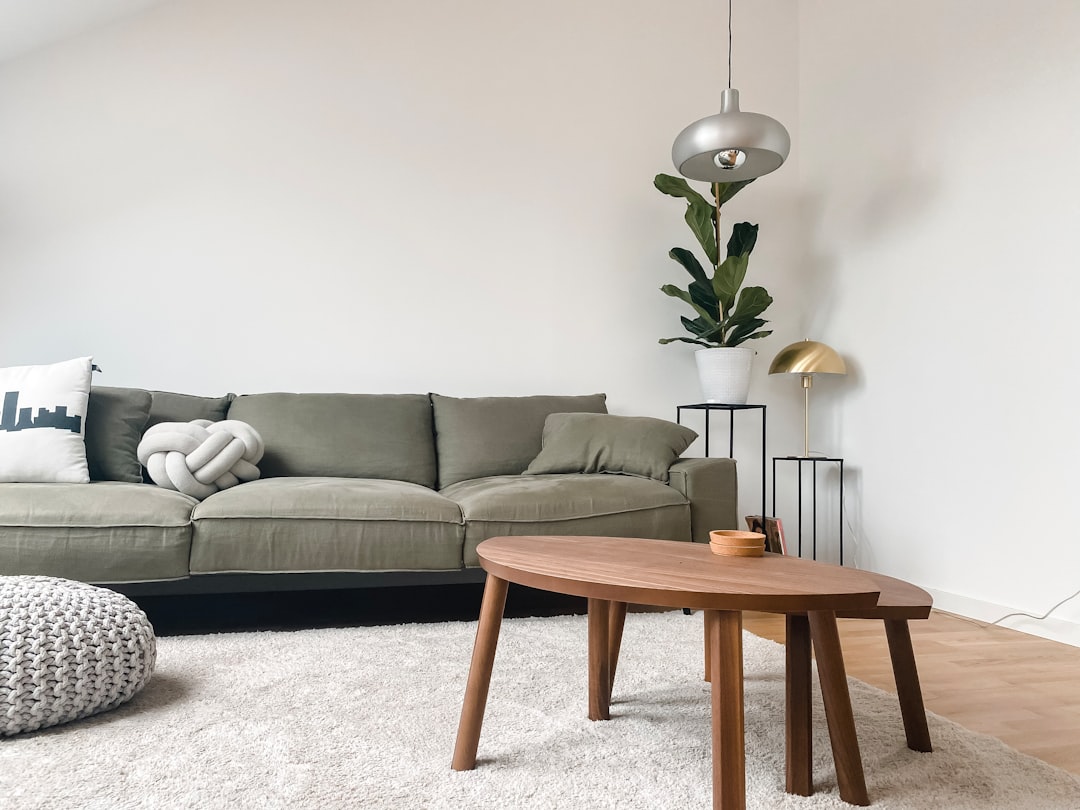
The narrow window bays in newer BTO layouts leave just 90–110cm between glass panels — prime real estate for full-height mirrors that disappear into the architecture. Scandinavian-minded homeowners often mount them flush against the wall, their thin black or oak frames echoing the clean lines of IKEA’s Hovet or Muuto’s Outline series. Done right, the reflection doubles the perceived depth of a 3.6m-wide living room while bouncing light from those floor-to-ceiling windows.
Rubberwood console tables with integrated mirrors work for tighter budgets, like the $299 Stockholm series at FortyTwo. But full-height versions prove more versatile long-term — they’ll still fit when you eventually swap the L-shaped sofa for a modular one. Just avoid positioning where evening TV glare becomes an issue; that sleek Scandinavian minimalism falls apart fast when you’re squinting at Netflix through your own reflection.
Some designers insist on leaving one window bay mirror-free to maintain a visual “breathing space”. It’s an easy compromise in HDBs where one window typically faces the neighbour’s service yard anyway. The unspoken rule? If your mirror shows more aircon ledge than skyline, you’ve probably placed it wrong.
Feng Shui concerns push back against obvious placements. Facing the main door allegedly bounces wealth away, though younger buyers in Punggol or Tengah flats tend to dismiss this unless their parents intervene. More practically, mirrors opposite light sources prevent dark corners — a common issue in north-facing units where natural light barely reaches the dining area. The trick is angling them slightly to avoid direct reflections of cluttered spaces; nobody wants to double their view of toy-strewn floors or piled-up laundry.
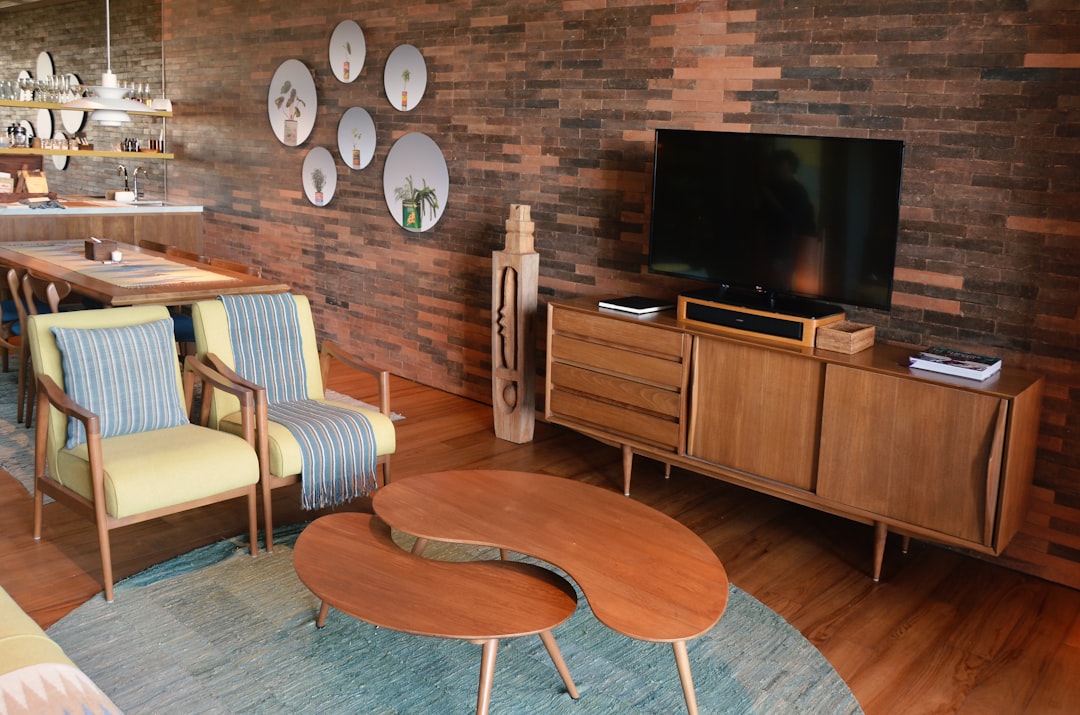
The Malm dresser looks perfect in the showroom—until you realise your HDB bedroom doorframe is 68cm wide and the assembled unit needs 72cm clearance. That’s why Megafurniture’s Joo Seng staff keep tape measures behind the counter; they’ve seen too many buyers discover their dream Scandinavian piece won’t fit past the bomb shelter. Bring your floor plan. Verify three choke points: lift doors (most BTOs have 90cm-wide lifts), corridor turns (older estates like Tampines Street 81 can have 60cm bottlenecks), and most critically, the master bedroom doorway. Storage beds with hydraulic lifts often require an extra 15cm swing space—fine in Punggol Northshore’s 3.6m-wide corridors, but problematic in 1980s flats where every centimetre counts. Scandinavian designs prioritise clean lines over compact packaging. A typical Nordli wardrobe ships flat-packed, but the Hemnes daybed arrives pre-assembled—meaning you’ll need to remove door hinges or balcony grilles if your contractor didn’t leave wiggle room. Some buyers compromise with modular alternatives like the
Knutsen series, sacrificing some aesthetic purity for practicality. Measure twice, buy once. Showroom lighting tricks the eye into underestimating bulk—that pale oak finish makes the 180cm Fjord dining table seem airy until you try squeezing it into a 4m-long HDB living room alongside a sofa. Staff will discreetly point out the 20cm overhang when you pull out chairs. The real test comes during delivery. That sleek, low-profile Brimnes bedframe might slide smoothly into Lift B at Waterfront I & II, but older blocks with uneven flooring or protruding electrical boxes turn what looked manageable on paper into a logistical nightmare. Seasoned movers know to check the void deck ramp gradient—steep inclines at Eunos MRT-side blocks can tilt oversized pieces dangerously.
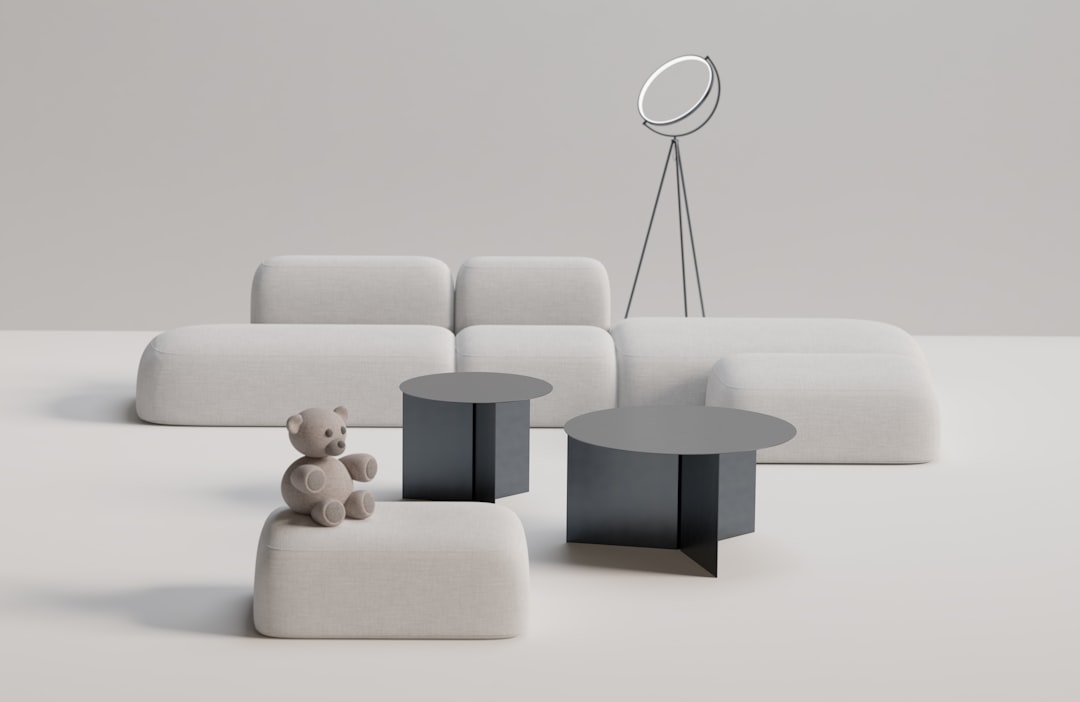
Scandinavian decor: assessing light reflection for smaller spaces
White furniture yellows faster in Singapore than Copenhagen — our humidity accelerates oxidation in untreated pieces. Stick to lacquered finishes or be prepared to wipe down surfaces monthly with oxalic acid solutions; untreated pine turns honey-gold within 18 months, while treated oak lasts 5+ years before showing warmth.
What’s the ideal rug size for 3.6m living rooms? Go for 2.4m x 3m — it leaves 60cm flooring perimeter for visual breathing room while anchoring L-shaped sofas common in BTO layouts. Smaller rugs make spaces feel choppy; oversized ones swallow narrow rooms whole. Flatweave jute or wool blends handle shoe traffic better than shag piles near entryways.
Maintenance costs add up. Professional re-oiling of solid oak tables runs $120–$180 every two years at local workshops like The Wood Doctor in Ubi — skip it, and water rings etch permanently into untreated surfaces. Cheaper rubberwood tables from IKEA or Castlery often warp within three humid seasons; that $899 dining set isn’t a bargain if it bows by year two.
Singaporeans underestimate how much Nordic design assumes central heating. Those pale bouclé sofas marketed as “Scandinavian” stain instantly under tropical sweat and oily takeout containers — performance velvet in taupe or grey wears far better.
Rattan baskets for storage? Yes. Sheepskin throws on every chair? Only if you enjoy laundering them weekly. The hygge aesthetic survives here through editing, not replication.
Scandinavian decor emphasizes light, neutral tones like whites, grays, and pastels. These colors reflect natural light, making spaces feel airy and expansive. Avoiding dark hues helps maintain a sense of openness and simplicity in the room.
Furniture with clean lines and low profiles is a hallmark of Scandinavian design. These pieces take up less visual space, creating an uncluttered environment. Opting for multifunctional furniture also maximizes floor space, enhancing the room’s perceived size.
Mirrors are often used in Scandinavian decor to amplify natural light and create depth. Placing them opposite windows or in narrow areas visually expands the room. Their reflective surfaces add brightness, contributing to a more spacious feel.
Scandinavian design favors open, unobstructed layouts to promote a sense of flow. Removing unnecessary dividers or bulky furniture allows for uninterrupted sightlines. This approach ensures the room feels larger and more connected.
Incorporating materials like wood, linen, and wool adds warmth without overwhelming the space. These natural elements maintain a light, organic aesthetic. Their subtle textures enhance the room’s coziness while preserving its airy quality.
The staircase clearance issue hits hardest in Ang Mo Kio maisonettes—those service yard staircases weren’t built with modern furniture dimensions in mind. Assembly teams need 1.2m clearance to maneuver flat-packed wardrobes or bed frames, but pre-1990s HDB designs often squeeze under 0.9m at tight turns. That’s led to at least three cancelled deliveries this quarter where teams couldn’t pivot a Malm dresser past the third-floor landing without risking wall scrapes. Homeowners usually measure doorway widths but forget vertical clearance—a 2.1m-tall Pax wardrobe won’t tilt upright in stairwells with overhead pipes. Some opt for disassembly on-site, though that voids warranties on pressure-fit joints common in Scandinavian designs. The workaround? Pre-delivery photos showing a broomstick held horizontally at key choke points, sent to the retailer’s logistics team. Megafurniture’s Tampines showroom keeps a mock staircase for clearance tests, but most buyers only think to visit after a failed delivery. Their solution involves marking up floor plans with red zones where bulkier items like
storage bedsmight jam. It’s not foolproof—one couple discovered their BTO’s service duct ate 15cm of promised clearance after renovations. The real headache comes with curved banisters in older estates like Eunos or Bedok. That elegant wrought-iron spiral might look great on Instagram, but try angling a 2.4m Kallax shelf unit around it. Some assembly teams now carry foldable ramps for awkward landings, though that adds $80–120 to the delivery fee. One team leader mentioned a maisonette where they had to hoist a sofa bed through the kitchen window—the homeowner had already removed the grille, having learned from previous deliveries.